
SAP for Manufacturing How Industry 4.0 and SAP Are Reshaping the Shop Floor
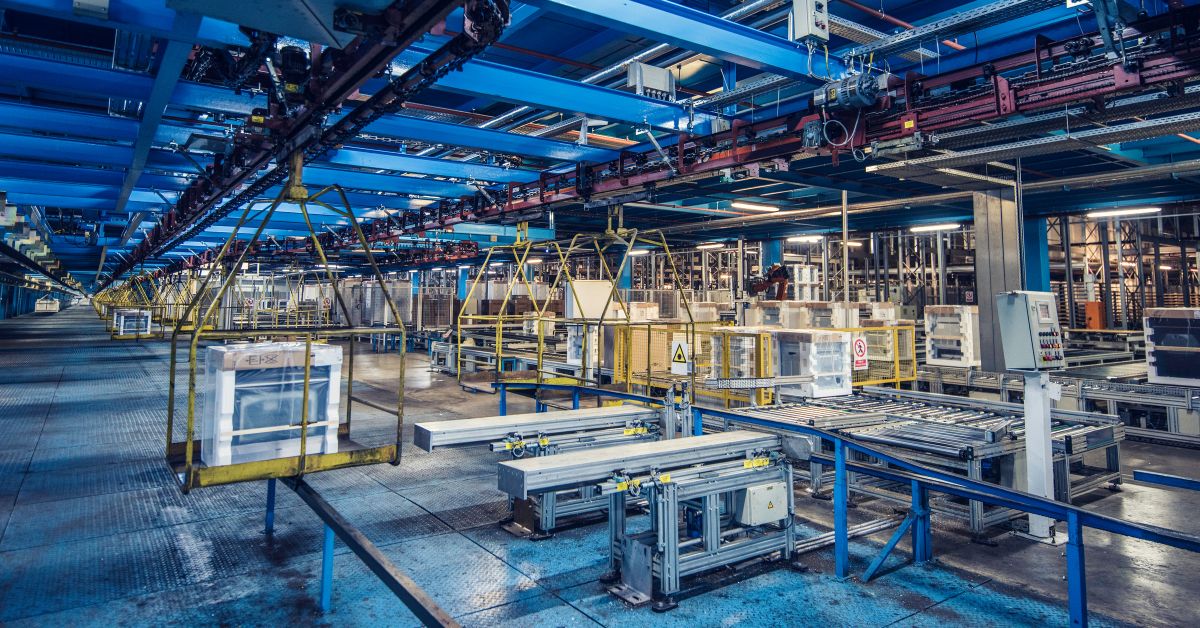
Manufacturing is being transformed at a pace the industry has not seen since the shift to automation in the 1980s. Sensors on machines, connected production lines, AI-driven quality control, real-time supply chain visibility Industry 4.0 is no longer a future state. It is happening now, in factories across every sector.
And at the center of most serious Industry 4.0 implementations is an ERP system capable of handling the data, processes, and integration these capabilities require. For a growing number of manufacturers, that system is SAP S/4HANA.
This blog explains how SAP supports modern manufacturing operations from shop floor execution to predictive maintenance, supply chain integration, and sustainability reporting.
Table of Contents
What Is Industry 4.0?
The Gap Between Traditional ERP and Smart Manufacturing
How SAP Bridges the Gap
Key SAP Capabilities for Manufacturing
Benefits of SAP in Manufacturing
Common Challenges for Manufacturers Implementing SAP
Use Cases by Manufacturing Segment
Future Scope
FAQs
Final Thoughts
What Is Industry 4.0?
Industry 4.0 refers to the fourth industrial revolution, the integration of digital technologies into manufacturing. Its core elements are:
IoT (Internet of Things) machines and equipment connected to the internet, sending real-time data
AI and Machine Learning using data to predict failures, optimize production, and improve quality
Digital Twin virtual models of physical assets for simulation and planning
Automation and Robotics replacing repetitive manual tasks on the shop floor
Advanced Analytics real-time production dashboards, OEE (Overall Equipment Effectiveness) monitoring, and quality intelligence
Cloud and Edge Computing processing data close to the machine and in the cloud simultaneously
The result is a factory that is more connected, more visible, and more responsive than any previous generation of manufacturing operation.
The Gap Between Traditional ERP and Smart Manufacturing
Traditional ERP systems including older versions of SAP were designed for batch-based, transactional processing. They recorded what happened. They were not designed to respond to what is happening right now on the shop floor.
The gap shows up in several ways:
Production data latency OEE, downtime, and quality data entered manually into ERP hours after the shift ends. By the time management sees it, the opportunity to intervene has passed.
Disconnected equipment machines on the shop floor generate enormous amounts of data. Traditional ERP has no way to receive it, process it, or act on it automatically.
Reactive maintenance equipment fails unexpectedly. Maintenance is scheduled on a calendar, not on condition data. The result is unplanned downtime and costly emergency repairs.
Limited supply chain visibility when a machine goes down and impacts production output, the supply chain impact is calculated manually if it's calculated at all.
SAP S/4HANA with its integration capabilities, SAP BTP, and SAP Manufacturing solutions addresses each of these gaps directly.
How SAP Bridges the Gap
SAP S/4HANA is built on the HANA in-memory database, which processes millions of transactions and events per second in real time. This is the technical foundation that makes smart manufacturing possible: data from the shop floor is processed immediately, not in batches.
On top of that foundation, SAP offers:
SAP Digital Manufacturing (DM) a cloud-based manufacturing execution system (MES) that sits between the shop floor and ERP. It collects machine data, manages production orders, tracks quality in real time, and reports OEE live.
SAP Asset Intelligence Network connects equipment from multiple manufacturers with maintenance planning in SAP, enabling condition-based and predictive maintenance.
SAP Integrated Business Planning (IBP) supply chain planning that connects demand signals, production capacity, and inventory in real time.
SAP BTP the integration and analytics platform that connects IoT sensors, third-party MES systems, and machine data to SAP's core processes.
Key SAP Capabilities for Manufacturing
Production Planning and Control SAP Production Planning (PP) manages production orders, capacity planning, material requirements planning (MRP), and shop floor scheduling. In S/4HANA, MRP runs in real time and changes in demand or supply are reflected in the production plan immediately.
Shop Floor Execution SAP Digital Manufacturing provides operators with production order visibility, quality inspection steps, and machine connectivity directly on the shop floor. Paper-based production reporting is eliminated.
Quality Management SAP Quality Management (QM) integrates inspection plans, quality notifications, and non-conformance tracking directly with production orders. Real-time quality data drives immediate action rather than end-of-shift analysis.
Plant Maintenance and Predictive Maintenance SAP Plant Maintenance (PM) manages maintenance orders, equipment master data, and spare parts. Connected to IoT data through SAP BTP, it enables predictive maintenance replacing calendar-based servicing with condition-based intervention.
Materials Management for Manufacturing SAP MM manages raw material procurement, goods receipt, and warehouse integration ensuring production lines have the right materials at the right time.
Environmental, Health and Safety (EHS) SAP's EHS capabilities track workplace safety incidents, hazardous material compliance, and environmental emissions increasingly important as manufacturing ESG reporting requirements grow.
Benefits of SAP in Manufacturing
Real-time production visibility Management sees live production status of what is being produced, at what rate, against what target. Decisions are made on current data, not yesterday's report.
Higher OEE When downtime causes are captured in real time and linked to maintenance workflows, the cycle from problem detection to corrective action shortens dramatically. OEE improvements of 5 to 15 percentage points are common in mature implementations.
Reduced unplanned downtime Predictive maintenance using machine data to predict failure before it occurs reduces emergency breakdowns and their associated costs.
Better production scheduling With live capacity, material availability, and demand data in one system, production schedulers make better decisions with less manual effort.
Reduced scrap and rework Real-time quality data enables corrective action during production, not after. Defect rates fall when issues are caught immediately rather than at the end of a production run.
Connected supply chain When production output data is live, procurement and logistics can respond proactively adjusting inbound material orders and outbound delivery commitments in real time.
Sustainability tracking Energy consumption, waste generation, and emissions can be captured and reported from within SAP supporting ESG reporting without separate data collection processes.
Common Challenges for Manufacturers Implementing SAP
Shop floor resistance to change Operators who have worked with clipboards and paper for years need time, training, and proof of benefit before embracing system-driven processes.
IoT integration complexity Connecting legacy machines many of which have no digital interface to SAP requires OPC-UA adapters, edge devices, or third-party middleware. This is a significant technical undertaking.
Master data for manufacturing Bill of materials (BOM), routing, work centers, and equipment master data must be accurate before go-live. Errors here cascade into every production order.
Production planning changes MRP in SAP S/4HANA are more powerful than legacy planning tools, but it requires planners to understand and trust the system logic. This takes time and process redesign.
Multi-site implementation complexity Manufacturers with multiple plants face challenges standardizing processes across sites while accommodating local differences. Governance and change management across sites is significantly harder than a single-site implementation.
Use Cases by Manufacturing Segment
Discrete Manufacturing (Automotive Components) A tier-2 automotive supplier implemented SAP S/4HANA with SAP Digital Manufacturing. Production orders flow electronically to the shop floor. Quality inspection results are captured in real time. OEE visibility went from daily to hourly. Scrap rates reduced by 18% in the first year as issues were caught mid-run rather than at quality gate.
Process Manufacturing (Chemicals) A specialty chemicals company connected reactor sensors to SAP BTP, feeding process parameters into SAP QM in real time. Out-of-specification conditions trigger quality notifications automatically. Batch rework reduced by 25%.
Food and Beverage A food manufacturer used SAP S/4HANA batch management with full shelf-life and expiry tracking. Recall capability previously a multi-day manual exercise became a 2-hour system-driven process.
Engineering to Order (Capital Equipment) An engineering company implemented SAP Project System (PS) integrated with production planning. Project-specific BOMs, costing, and milestone billing are managed in one system. Project profitability visibility improved significantly.
Future Scope
The future of manufacturing with SAP includes:
Autonomous manufacturing decisions AI-driven planning in SAP IBP and SAP Digital Manufacturing will increasingly make scheduling, quality, and maintenance decisions automatically within defined parameters.
Digital twin integration SAP is investing in digital twin capabilities virtual factory models that run simulations before physical changes are made, reducing commissioning time and risk.
SAP Sustainability Footprint Management Manufacturers will track product-level carbon footprint from raw material through production and delivery essential for customer reporting and regulatory compliance.
Industry cloud solutions SAP is building pre-configured, industry-specific cloud solutions for automotive, industrial machinery, consumer goods, and high-tech manufacturing reducing implementation time significantly.
Human-robot collaboration data in SAP As collaborative robots (cobots) become standard, their performance data, safety alerts, and work order assignments will be managed within SAP's plant maintenance framework.
FAQ
Q1: Does SAP have a Manufacturing Execution System (MES)? Yes. SAP Digital Manufacturing (DM) is SAP's cloud MES. It manages shop floor execution, machine data collection, quality in process, and OEE reporting integrating directly with SAP S/4HANA.
Q2: Can SAP connect to our existing machines and equipment? Yes, through SAP BTP and the SAP IoT service. Machines with OPC-UA or other industrial protocols can be connected. Legacy machines may require edge devices or third-party adapters.
Q3: What is the difference between SAP PP and SAP Digital Manufacturing? SAP PP (Production Planning) handles the ERP side production orders, MRP, capacity planning, and financial costing. SAP Digital Manufacturing handles shop floor execution giving operators work instructions, collecting machine data, and managing in-process quality. They work together, with the DM sitting between the machine and the ERP.
Q4: How does SAP support predictive maintenance? SAP Plant Maintenance (PM) manages maintenance history and schedules. Connected to machine sensor data through SAP BTP and SAP Asset Intelligence Network, it can trigger maintenance orders based on machine condition rather than calendar intervals.
Q5: Is SAP suitable for small and mid-size manufacturers? Yes. GROW with SAP SAP's cloud ERP offering for mid-market includes manufacturing capabilities suitable for mid-size discrete and process manufacturers. It offers faster implementation and predictable subscription costs.
Final Thoughts
Industry 4.0 is not a technology project, it is a manufacturing strategy. The companies leading in this space have connected their operational data with their business systems, enabling decisions to be made faster, with better information, and with less manual effort.
SAP S/4HANA, combined with SAP Digital Manufacturing, SAP IBP, and SAP BTP, gives manufacturers the technology backbone for this transformation. The shop floor and the boardroom finally speak the same language real-time data, integrated processes, and intelligent decisions.
The manufacturers who invest in this capability now will be the ones with the cost structure, agility, and quality performance to win in the next decade.
Talk to Our SAP Experts
Uneecops has deep expertise in SAP manufacturing implementations across discrete, process, and engineering-to-order industries. From SAP S/4HANA to SAP Digital Manufacturing and SAP IBP, our manufacturing consultants understand both the technology and the shop floor.
Talk to our SAP manufacturing specialists today.


Want this applied to your SAP estate?
Tell us where you are and we'll come back with a concrete next step.
Talk to our team